Clean Your Gutters Before Petaluma's First Rain Does the Job for You
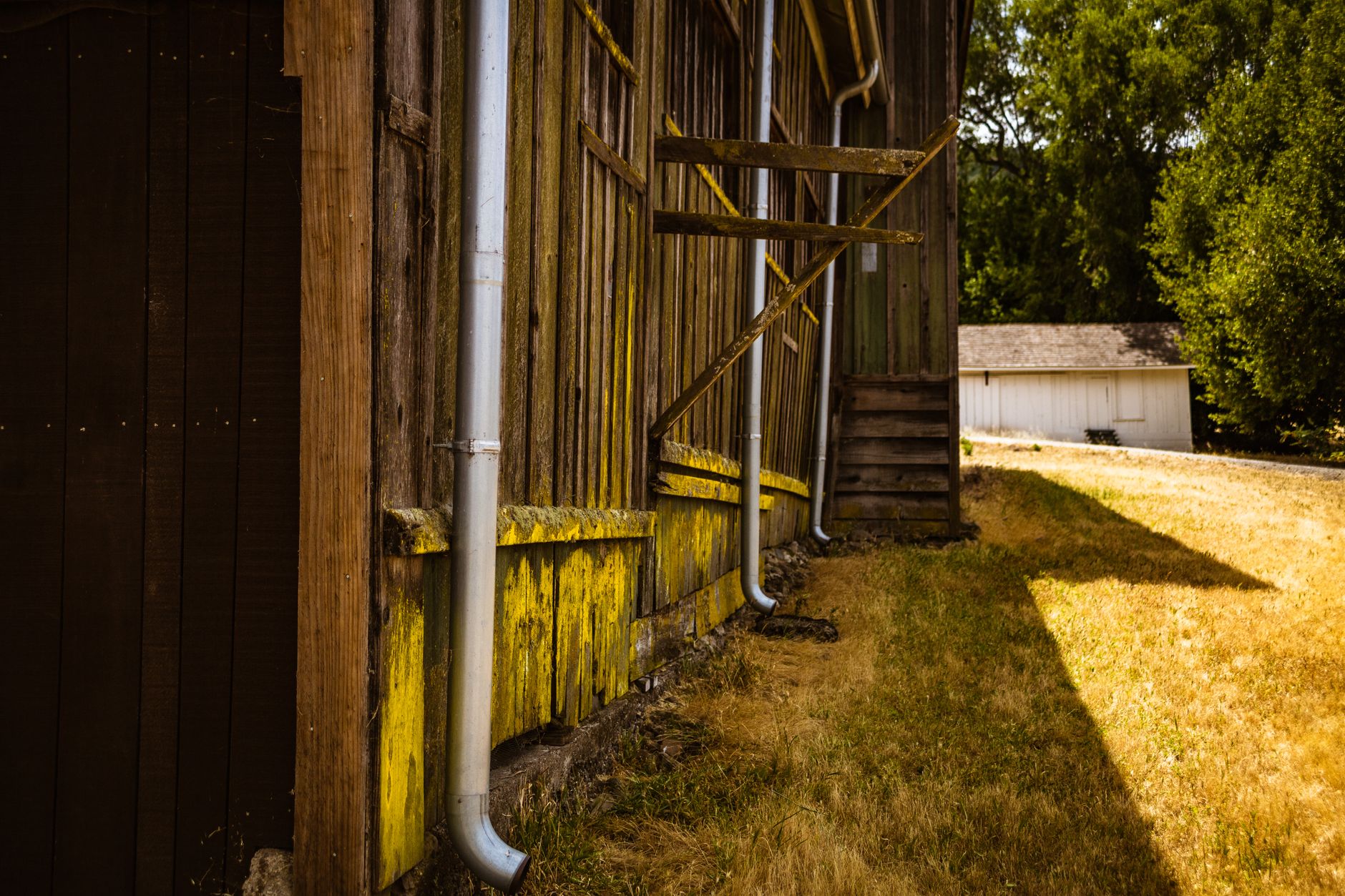
More than 8,800 homes in Petaluma's parcel record were built before 1980. Gutters on houses that old have had time to sag, pull away from fascia boards, and develop rust patches that are easy to miss until water is running down the siding. September — dry, calm, and just ahead of the North Bay's first significant rains — is the right time to get up there.
Petaluma's homes, from the record
| Built | Homes |
|---|---|
| before 1940 | 1,885 |
| 1940-1959 | 1,725 |
| 1960-1979 | 5,252 |
| 1980-1999 | 5,631 |
| 2000 or later | 1,836 |
| Single-family homes | 14,800 |
|---|---|
| Median lot | 6,600 sq ft |
| On an acre or more | 616 |
| Median size | 1,744 sq ft |
16,329 of 19,257 parcels in this market's record have a known build year.
What to clear
Leaf litter is the obvious target, but the material that causes the most trouble is the fine, composted debris that settles at the bottom of the channel. It holds moisture against the gutter seams and, on older homes, against the fascia board behind the gutter. Scoop it out rather than just flushing it toward the downspout — pushing a dense plug of wet material into a three-inch downspout is a reliable way to create a clog lower in the system.
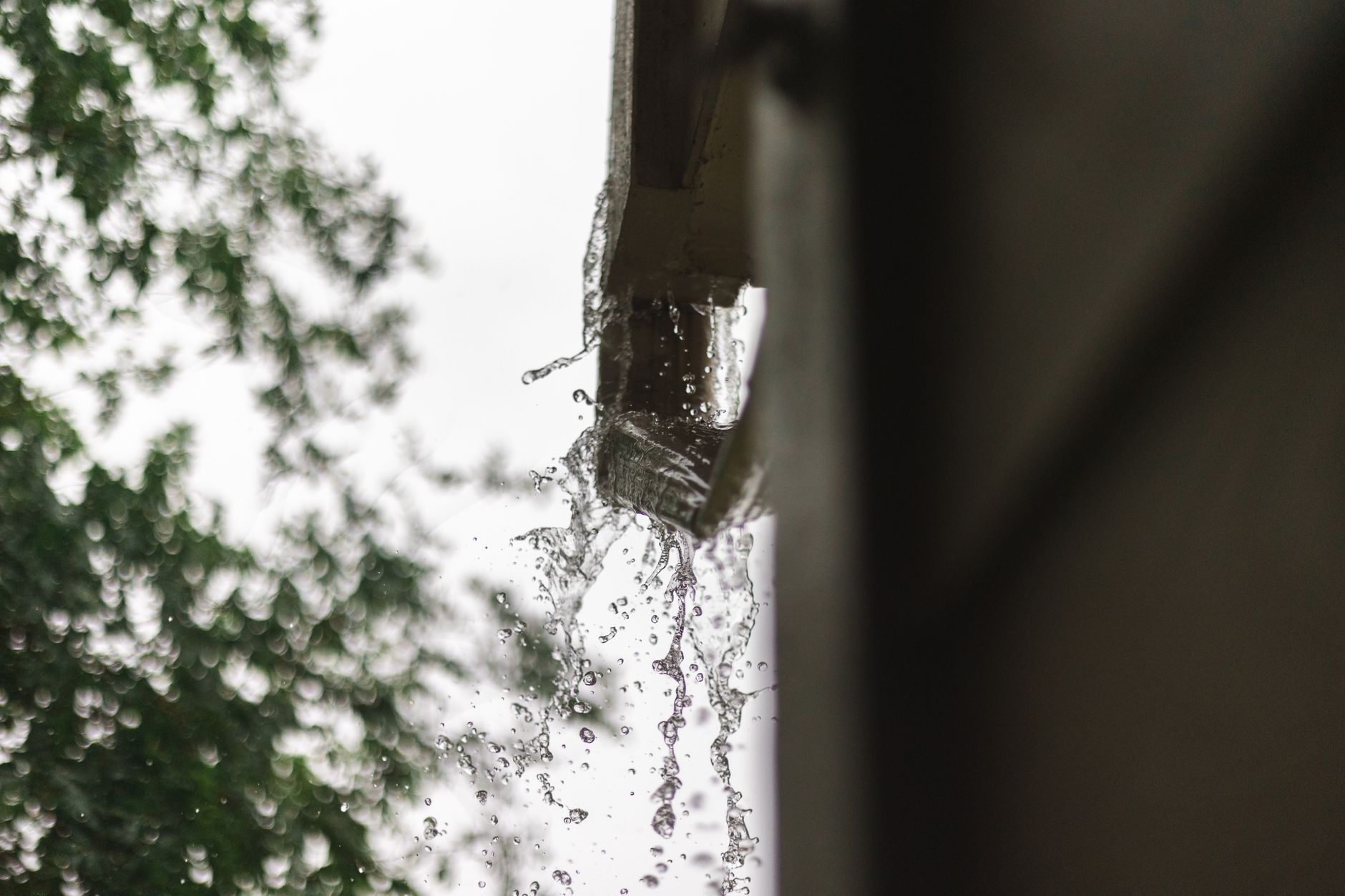
Downspout strainers and leaf guards trap debris at the top of the drop but do not eliminate the need to check. Lift them out, clear what has collected underneath, and rinse the mesh before replacing it.
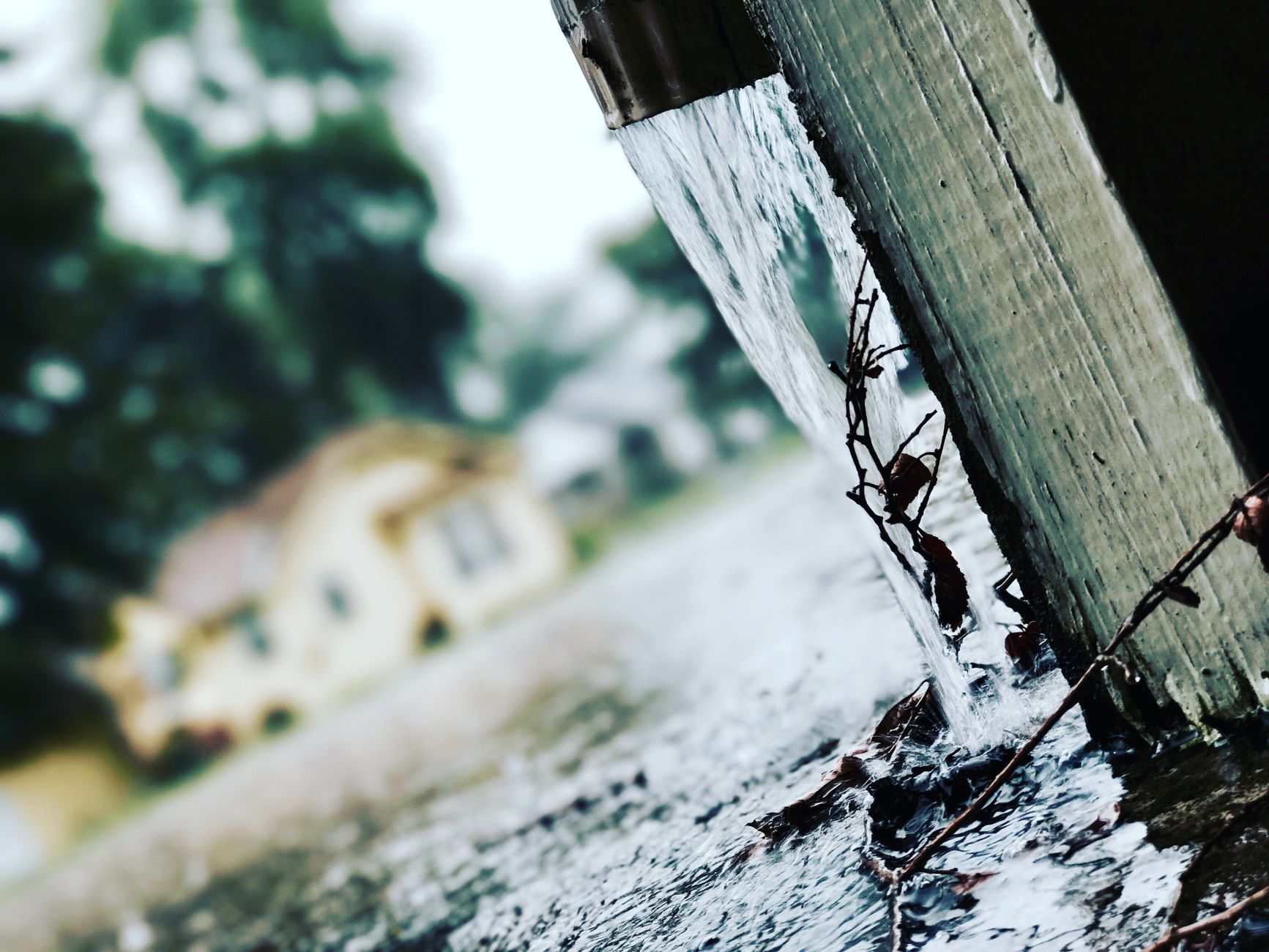
After clearing, run a hose at the far end of each gutter run and watch where the water goes. It should move steadily toward the downspout without pooling. Standing water means the gutter has settled or was installed without enough pitch. A small section of standing water looks minor; after a winter of wet leaves sitting in it, the seam below will let you know otherwise.
What to look at while you're up there
The gutter is a good excuse to get eyes on things you cannot see from the ground.
- Fascia boards. Press a finger against the wood where the gutter bracket meets the fascia. Soft or spongy wood means water has been wicking behind the gutter, probably for more than one season. A licensed contractor can assess how far the damage goes before you decide on repairs.
- Gutter seams and end caps. On sectional gutters, the joints are the first place to fail. Look for staining on the exterior of the gutter below a seam — that rust or mineral streak tells you water has been escaping there.
- Roof edge and drip edge. While the ladder is up, look at the first few inches of roofing material at the eave. Lifted or missing drip edge flashing lets water travel back under the shingles rather than into the gutter. A roofing contractor or inspector can tell you whether what you see is within normal wear or needs attention.
- Downspout brackets. Downspouts that have pulled away from the wall tend to flex and disconnect at the joints during heavy flow. Re-secure any that have visible gaps between bracket and siding.
Where the water should end up
This is the part most owners skip, and it matters more in Petaluma's clay-heavy soils than in places with faster-draining ground. When a downspout terminates at a splash block right against the foundation, the water often saturates the soil immediately adjacent to the stem wall and finds its way into a crawl space or basement. The goal is to move water away from the foundation — ideally directing it toward a planted area or a low point in the yard that is well clear of the structure.
Extension elbows and flexible downspout extensions are a straightforward way to add distance. Some owners route downspouts to underground drain lines; if you are considering that, a licensed contractor can confirm whether the line drains to daylight or connects to a system that needs to be sized correctly.
What to avoid: terminating a downspout where water will pond against a fence, flow onto a neighbor's property, or drain toward a sidewalk where it can create a slip hazard in cold weather. None of those outcomes require a code citation to be worth avoiding.
One thing September makes easy
The dry weather means you can trace exactly where old water stains on siding or foundation concrete came from. Wet conditions mask the source; dry conditions show you the tide lines. Walk the perimeter of the house on a clear day before you clean the gutters, note any staining, then check whether the nearest gutter or downspout explains it. Often it does.
Jake Taylor · CA DRE #02070119
[email protected] · (707) 630-1001
More from Petaluma
What Your Petaluma Home Is Missing Depends on When It Was Built
More than half of Petaluma's parcels were built before 1980, when insulation requirements were thin and single-pane glass was standard. Knowing your era tells you where to start.
Two homes hit the Petaluma MLS on September 25 — and that was the day
A single-family home on Burlington Drive and a townhouse on Drake Court appeared on the MLS feed on September 25. No sales recorded, no contracts signed.

Three Petaluma single-family homes recorded on September 28 — one penny over asking, one $150,000 under
No new listings hit the Petaluma MLS on September 28. The action was in the closings: three single-family homes recorded, with sale prices that landed at one dollar over asking, $14,000 under and $150,000 under.